
Cold Drawn Wire: The Ultimate Industrial Solution for Strength, Precision & Durability
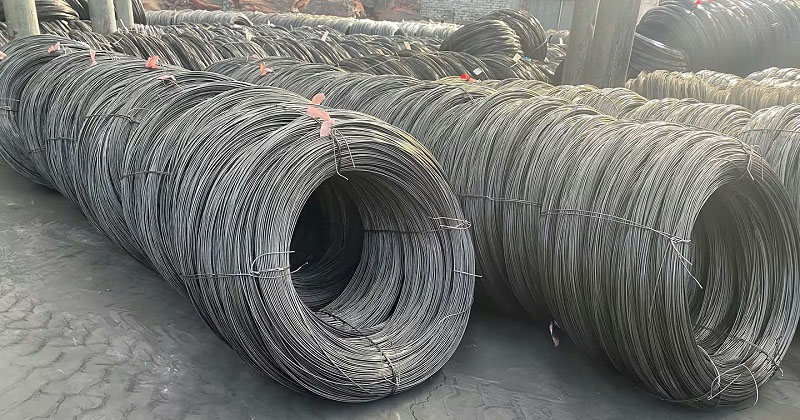
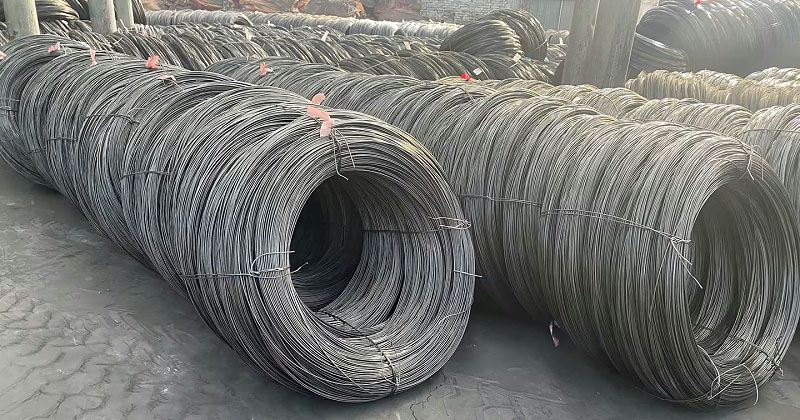
In modern manufacturing, construction, automotive, and hardware industries, cold drawn wire stands out as one of the most widely used and reliable metal products. Combining exceptional mechanical properties, tight dimensional accuracy, and a smooth surface finish, cold drawn wire meets the strict demands of high‑efficiency production and long‑term structural performance. This guide covers everything you need to know about cold drawn wire, including its production, advantages, specifications, applications, and why it should be your first choice for industrial projects.
What Is Cold Drawn Wire?
Cold drawn wire is a type of metal wire produced by drawing metal rods through precision dies at room temperature, without heating. This cold‑working process refines the internal grain structure, improves tensile strength, and creates consistent diameter and roundness.
Compared with hot‑rolled wire, cold drawn wire offers better straightness, smoother surface, and higher dimensional precision. It is commonly made from low carbon steel, high carbon steel, stainless steel, and alloy steel, supporting customized sizes and mechanical properties for different uses.
Key Advantages of Cold Drawn Wire
Extremely High Dimensional AccuracyTight diameter tolerances and excellent roundness ensure stable performance in automated machining, assembly, and forming.
Superior Tensile Strength & HardnessThe cold drawing process increases density and mechanical strength, making the wire resistant to breakage, deformation, and fatigue under heavy loads.
Smooth, Clean Surface FinishBright, burr‑free surface reduces friction, improves coating adhesion, and lowers failure rates in welding, bending, and drawing.
Good Ductility & FormabilityCan be easily bent, cut, headed, knurled, or welded while maintaining structural integrity.
Cost‑Effective & Stable QualityConsistent performance reduces scrap rates and downtime in mass production, supporting long service life.
Common Specifications & Materials
We provide full‑range cold drawn wire solutions compliant with ASTM, EN, JIS, and GB standards.
Typical Materials
Low carbon steel cold drawn wire: Good ductility, for nails, wire mesh, binding wire
High carbon steel cold drawn wire: High strength, for springs, cables, prestressed components
Stainless steel cold drawn wire: Corrosion‑resistant, for hardware, electronics, food equipment
Galvanized cold drawn wire: Rustproof, for outdoor fencing, construction, agriculture
Common Sizes
Diameter range: 0.2 mm – 12 mm (customizable on request)
Tensile strength: 350 – 2200 MPa
Packaging: Coils, spools, cartons, pallets
Main Applications of Cold Drawn Wire
Cold drawn wire is versatile and used across nearly every industrial sector:
Construction: Concrete reinforcement, precast components, steel mesh, binding wire
Hardware & Fasteners: Nails, screws, bolts, rivets, springs, hooks, clips
Automotive: Spring wires, seat frames, brake parts, mechanical components
Wire Products: Mesh, fencing, baskets, filters, cages, barbed wire
Electronics & Electrical: Conductors, connectors, spring contacts
Agriculture & Gardening: Farm fencing, supports, tying wire
Machinery Manufacturing: Precision parts, pins, shafts, cold heading wire
How to Choose the Right Cold Drawn Wire
To select the best product for your project, consider three factors:
Material: Carbon steel for strength; stainless steel for corrosion resistance
Diameter & Tolerance: Match your processing equipment and assembly requirements
Tensile Strength: Ensure it meets load, fatigue, and forming demands
We provide free material consultation and custom solutions to optimize performance and cost.

 Send Email
 Whatsapp