
Steel Wire Mesh: The "Multifunctional Protection Expert" of Metal Materials
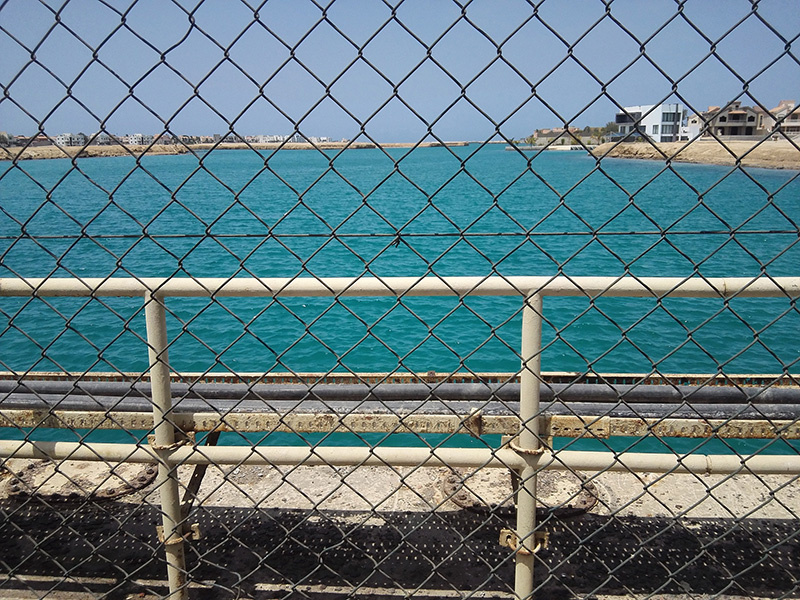
Steel wire mesh is a mesh-structured product processed from various types of steel wire as the core raw material through weaving, welding, stamping and other technologies. Leveraging the material properties of raw materials and precise structural design, it integrates strength, toughness, protection and air permeability, making it an indispensable basic material in construction, industry, agriculture, security and other fields. Its core advantages lie in "strong material adaptability" and "functional customization" — from the cost-effectiveness of low carbon steel wire to the extreme corrosion resistance of stainless steel wire, from the precise screening of fine-mesh filters to the safety protection of large-mesh fences, steel wire mesh can meet the personalized needs of different scenarios through raw material selection and process adjustment.
II. Core Classification of Steel Wire Mesh: Divided by Raw Materials and Processes
(I) Classification by Raw Material (Following Core Material Characteristics)
Low Carbon Steel Wire Mesh: The most versatile basic type, made of low carbon steel wire with a carbon content ≤ 0.25%. It is soft and easy to process, cost-effective, with a tensile strength of 300-500MPa. Suitable for building plastering, ordinary fencing, packaging and binding, it is a cost-effective choice.
High Carbon Steel Wire Mesh: Adopts high carbon steel wire with a carbon content of 0.60%-1.20%, which is strengthened by heat treatment to achieve a tensile strength of 800-1500MPa. It has high hardness and wear resistance, specially designed for heavy-load and high-strength scenarios such as mine screens, bridge reinforcement, and highway protection.
Stainless Steel Wire Mesh: Core materials include 304, 316, and 316L stainless steel. The 304 type is resistant to ordinary acids and alkalis; the 316/316L types contain molybdenum, offering salt spray resistance and chemical corrosion resistance, as well as being environmentally friendly and non-toxic. Suitable for high-end scenarios such as food processing, marine engineering, medical equipment, and chemical equipment, with a service life of 5-15 years.
Galvanized Steel Wire Mesh: Based on low carbon steel wire, treated with hot-dip galvanizing (zinc coating thickness 10-20μm, strong corrosion resistance) or electro-galvanizing (zinc coating thickness 3-5μm, low cost). It combines toughness and corrosion resistance, making it the first choice for outdoor fencing, agricultural greenhouses, and livestock breeding.
Special Material Steel Wire Mesh: Includes PVC-coated steel wire mesh (various colors, scratch-resistant, suitable for garden fencing and pet cages), alloy steel wire mesh (high temperature and pressure resistance, suitable for industrial high-temperature equipment), copper/brass wire mesh (good electrical conductivity, used for electronic shielding and high-end decoration) and other niche high-end categories.
(II) Classification by Processing Technology
Woven Mesh: Formed by cross-weaving warp and weft steel wires, with uniform mesh and good elasticity, such as breeding nets, filter nets, and decorative nets;
Welded Mesh: Steel wires fixed by resistance spot welding, with a firm structure and strong integrity, such as construction protection nets, fencing nets, and shelf nets;
Stamped Mesh: Formed by stamping with molds, with various mesh shapes (circular, square, special-shaped), suitable for screens and mechanical protection nets;
Crimped Mesh: High-strength steel wires woven by crimping, wear-resistant and pressure-resistant, mostly used for screening in mines, coal, and chemical industries.
III. Full-Scenario Applications: The "Universal Adaptability" of Steel Wire Mesh
The application of steel wire mesh covers multiple fields of the national economy, with core scenarios as follows:
1. Construction Engineering Field
Plastering Mesh: Woven from low carbon steel wire or galvanized steel wire, embedded in the wall plaster layer to prevent wall cracking and peeling. It is an essential material for residential buildings, office buildings, and bridge construction;
Scaffolding Safety Mesh: Made of welded mesh or woven mesh, enclosed outside the scaffolding to ensure the safety of construction workers;
Steel Mesh Sheets: Formed by welding high carbon steel wires, used for reinforcing concrete floors, pavements, and bridges to improve structural bearing capacity and seismic performance.
2. Agriculture and Breeding Field
Greenhouse Mesh: Galvanized steel wire or PVC-coated steel wire mesh, used for greenhouse fencing and insect screens, balancing ventilation and protection;
Breeding Fencing Mesh: Woven mesh or welded mesh with customizable mesh size, suitable for breeding livestock and poultry such as chickens, ducks, pigs, and sheep, preventing escape and natural enemy invasion;
Orchard Protection Mesh: High-strength galvanized steel wire mesh, used for bird and hail protection to ensure fruit yield and quality.
3. Industrial and Manufacturing Field
Screening Filter Mesh: Woven from stainless steel or high carbon steel wire, used for material classification and screening in mines, coal, chemical industry, and food processing, such as coal screening, flour filtration, and chemical raw material grading;
Mechanical Protection Mesh: Welded mesh or stamped mesh, used for the protection of machine tools, motors, and equipment casings to prevent human contact with dangerous components;
Environmental Protection Filter Mesh: Stainless steel wire mesh, used for sewage treatment and waste gas purification, intercepting impurities and filtering pollutants.
4. Security and Outdoor Field
Road Fencing Mesh: Galvanized steel wire or stainless steel welded mesh, used for highways, municipal roads, and community walls to divide areas and ensure safety;
Anti-theft Mesh: Woven from high carbon steel wire or stainless steel, installed on doors, windows, and balconies, combining anti-theft and protection functions;
Marine Engineering Mesh: 316L stainless steel wire mesh, used for fencing of offshore platforms and ports, resistant to salt spray corrosion and adaptable to harsh marine environments.
5. Other Special Scenarios
Food and Medical Field: 304/316 stainless steel wire mesh, used for food processing protection and medical equipment protection, complying with food-grade and medical-grade standards;
Electronic and Decoration Field: Copper wire mesh is used for electromagnetic shielding of electronic equipment; brass wire mesh and stainless steel decorative mesh are used for architectural decoration and furniture design, combining aesthetics and practicality.
IV. Purchasing Guide: How to Choose the Right Steel Wire Mesh?
To accurately match needs, the following 4 points should be focused on when selecting steel wire mesh:
Clarify Application Scenarios: For outdoor humid environments, prioritize hot-dip galvanized or 316L stainless steel materials; for food and medical scenarios, choose 304 stainless steel (with FDA/CE certification); for heavy-load screening scenarios, select high carbon steel wire mesh; for decorative scenarios, choose PVC-coated or copper wire mesh.
Confirm Core Parameters: Including mesh size (e.g., breeding mesh should be selected according to the size of livestock and poultry, filter mesh according to screening accuracy), wire diameter (thicker wire diameter means higher strength), and mesh width and length (customized on demand to avoid waste).
Verify Material Quality: For low carbon steel wire mesh, confirm carbon content and impurity content; for galvanized mesh, check zinc coating thickness (hot-dip galvanizing is better than electro-galvanizing); for stainless steel mesh, verify the material grade (304/316L) and request a material test report.
Pay Attention to Process Details: For woven mesh, check mesh uniformity and whether the joints are firm; for welded mesh, check if the welding points are full and free of detachment; for products used outdoors, confirm whether they have undergone anti-rust treatment and moisture-proof packaging.
V. Industry Trends: Green, High-end, and Customized
With the upgrading of manufacturing industry and the improvement of environmental protection requirements, the steel wire mesh industry presents three major trends:
Environmentalization: Raw materials are developing towards low-carbon, lead-free, and recyclable directions, such as environmentally friendly PVC-coated steel wire and high-strength low-alloy steel wire, reducing environmental impact;
High-endization: The demand for stainless steel wire mesh (especially 316L grade) is growing, suitable for marine engineering, high-end manufacturing and other scenarios, emphasizing corrosion resistance and service life;
Customization: Provide personalized customization of mesh size, wire diameter, material, and dimensions according to customer scenario needs, such as special-shaped meshes, special color coating, and extra-large size mesh sheets, to meet the needs of segmented markets.
Conclusion
From basic construction to high-end manufacturing, from agricultural production to people's livelihood security, steel wire mesh has become the "metal protection cornerstone" throughout production and life, relying on the diversity of raw materials and the flexibility of processes. The core of choosing the right steel wire mesh lies in matching material characteristics with application scenarios — whether it is a general scenario pursuing cost-effectiveness or a high-end demand requiring extreme performance, a corresponding solution can be found. In the future, with technological upgrading, steel wire mesh will play a role in more emerging fields (such as new energy and aerospace), continuously providing safe and reliable protection support for various industries.

 Send Email
 Whatsapp