
Metal Galvanizing Process: The Core Anti-Corrosion Technology for Protecting Metals

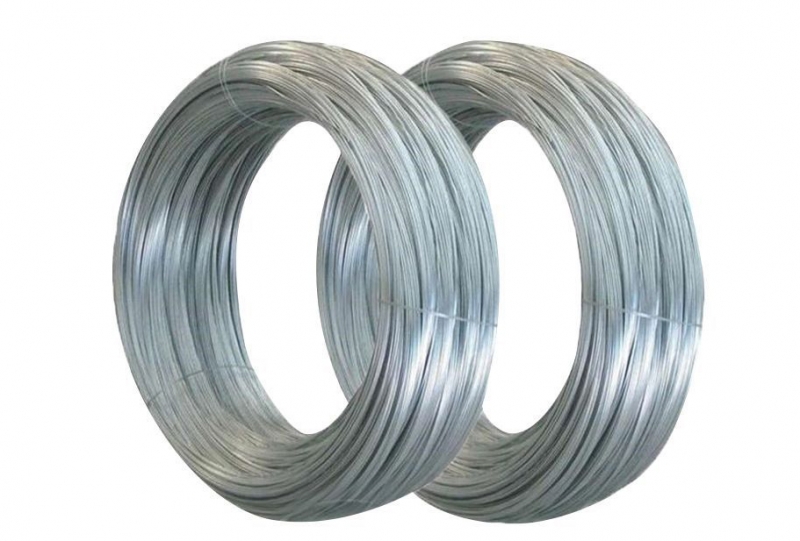
Metal materials play an indispensable role in human production and daily life, but corrosion has always been a key bottleneck restricting their service life. As a mature and efficient surface anti-corrosion treatment technology, the metal galvanizing process forms a dense zinc layer on the surface of metal substrates, building a "protective barrier" for metal products. It is widely used in various fields such as construction, machinery, transportation, and electronics. From insignificant iron nails and wire to large-scale steel structures and precision electronic components, the galvanizing process silently extends the service life of metals and reduces maintenance costs. This article will deeply analyze the technical principles, mainstream types, key links, and industry development trends of the metal galvanizing process, helping you fully understand this "metal protection guard".
I. Anti-Corrosion Principle: The "Dual Protection" Mechanism of Zinc Layers
The core of anti-corrosion in metal galvanizing lies in the dual guarantee of zinc's electrochemical properties and physical barrier effect. From an electrochemical perspective, the standard electrode potential of zinc (-0.76V) is lower than that of common substrate metals such as iron (-0.44V). When the galvanized layer is eroded by the external environment, zinc will undergo oxidation preferentially (the "sacrificial anode" effect), protecting the internal substrate from corrosion through its own consumption. This characteristic ensures that even if the galvanized layer is partially damaged, it can still continue to play an anti-corrosion role, forming a "cathodic protection" effect.
At the same time, zinc generates products such as zinc oxide and zinc hydroxide during oxidation. These substances further react with carbon dioxide in the air to form a dense zinc carbonate film. This film has a stable structure and extremely low porosity, which can effectively block the contact between corrosive media such as air and moisture and the substrate, achieving physical barrier protection. The dual mechanism of electrochemical protection and physical isolation makes the galvanized layer a "golden solution" for metal anti-corrosion, whose protective effect is far superior to that of a single coating protection technology.
II. Three Mainstream Processes: Characteristics, Processes and Application Scenarios
After years of technological development, the metal galvanizing process has formed three mainstream systems: hot-dip galvanizing, electrogalvanizing, and mechanical galvanizing. Each process has its own focus in terms of technical principles, performance characteristics, and application scenarios, meeting the diverse needs of different industries.
(I) Hot-Dip Galvanizing: The "Main Force" for Heavy Outdoor Anti-Corrosion
Hot-dip galvanizing is the most widely used and mature galvanizing process. Since its birth in the 19th century, it has always dominated the galvanizing market. Its core process is to immerse metal workpieces that have undergone strict pre-treatment into molten zinc liquid at 440-460℃. Through the wetting and diffusion between the zinc liquid and the substrate, a composite structure of a uniform thickness zinc-iron alloy layer and pure zinc layer is formed.
The prominent advantages of hot-dip galvanizing are the large thickness of the zinc layer (usually between 60-150μm), strong adhesion, excellent corrosion resistance and weather resistance. In the neutral salt spray test, the time for red rust to appear on high-quality hot-dip galvanized layers can exceed 1000 hours, which is sufficient to cope with long-term erosion in harsh outdoor environments. However, this process also has certain limitations. Due to high-temperature treatment, "zinc nodules" are likely to form at the edges and corners of workpieces, the surface flatness is relatively poor, and it is not suitable for precision components that are not resistant to high temperatures.
Based on these characteristics, hot-dip galvanizing is widely used in outdoor scenarios with high anti-corrosion requirements, such as building steel structures, power transmission towers, communication base stations, highway guardrails, oil and gas transmission pipelines, and outdoor fasteners.
(II) Electrogalvanizing: The "Preferred Solution" for Precision and Decoration
Electrogalvanizing, also known as cold galvanizing, is a process that realizes zinc layer deposition using the principle of electrolysis. Its process is as follows: first, the metal workpiece is subjected to pre-treatment such as degreasing, pickling, and activation; then the workpiece is placed in an electrolyte containing zinc salts (such as zinc chloride and zinc sulfate); a DC power supply is connected with the workpiece as the cathode and the zinc plate as the anode; under the action of an electric field, zinc ions migrate directionally and deposit on the surface of the workpiece to form a uniform zinc layer; finally, water washing and passivation treatment (which can form different colors such as colored zinc, blue zinc, and black zinc) are carried out to improve protection and aesthetics.
The core advantages of electrogalvanizing are the thin and uniform zinc layer (usually 5-20μm in thickness), smooth and delicate surface, and high precision, which can perfectly retain the original size and shape of the workpiece. Moreover, various appearance effects can be achieved through different passivation treatments. However, due to the thin zinc layer, its corrosion resistance mainly depends on the passivation layer, and the overall protection ability is weaker than that of hot-dip galvanizing. The service life in the neutral salt spray test is generally 200-500 hours.
This process is suitable for scenarios with high requirements for surface precision and appearance, such as precision fasteners, electronic hardware accessories, auto parts, instrument casings, and decorative hardware.
(III) Mechanical Galvanizing: The "Customized Solution" for Special Scenarios
Mechanical galvanizing is an electroless and high-temperature-free physical deposition process. Its principle is to use mechanical impact force to cold-weld zinc powder to the surface of metal workpieces. The specific process is as follows: pre-treated workpieces, zinc powder, impact media (such as glass beads), and accelerators are put into a drum together; when the drum rotates at high speed, the workpieces collide and rub violently with the zinc powder and impact media; the zinc powder gradually deposits and densifies under the action of impact force to form a uniform zinc layer; finally, the processing is completed through sieving and passivation.
The biggest highlight of mechanical galvanizing is the absence of hydrogen embrittlement risk, which is crucial for hydrogen-sensitive metal parts such as high-strength bolts and springs—traditional electrogalvanizing and hot-dip galvanizing may cause hydrogen embrittlement, affecting the mechanical properties of high-strength components, while mechanical galvanizing can completely avoid this problem. In addition, the thickness of the zinc layer in this process is controllable (10-100μm), the surface is uniform without sagging, and the adhesion is good, but the production efficiency is relatively low and the cost is higher than the previous two processes.
Mechanical galvanizing is mainly used in special demand scenarios, such as high-strength fasteners, springs, aerospace components, medical device accessories and other metal parts that are not suitable for high-temperature treatment or sensitive to hydrogen embrittlement.
III. Key Links: The "Lifeline" of Pre-Treatment and Quality Inspection
For any galvanizing process, pre-treatment and quality inspection are the core links that determine the final protection effect, directly affecting the adhesion, uniformity, and service life of the zinc layer.
(I) Pre-Treatment: The Premise for "Firm Adhesion" of Zinc Layers
The core goal of pre-treatment is to remove impurities such as oil, rust, and oxide scale on the surface of the workpiece, creating a clean and activated surface for zinc layer deposition. Otherwise, the zinc layer will not bond firmly with the substrate, resulting in peeling, blistering and other problems. Its main steps include:
Degreasing: Adopt alkaline cleaning (sodium hydroxide, sodium carbonate solution), solvent cleaning (such as gasoline, ethanol) or ultrasonic cleaning to remove oil (mineral oil, animal and vegetable oil) on the surface of the workpiece, avoiding oil from affecting the contact between the zinc liquid or electrolyte and the substrate.
Pickling: Soak the workpiece in hydrochloric acid or sulfuric acid solution to dissolve rust, oxide scale and oxide film on the surface, and simultaneously micro-etch the surface of the substrate to enhance the adhesion of the zinc layer. After pickling, water washing should be carried out immediately to prevent residual acid from corroding the workpiece.
Fluxing (Only for Hot-Dip Galvanizing): Immerse the pickled workpiece in an ammonium chloride-zinc chloride mixed solution to form a thin flux film, which can not only prevent the workpiece from re-oxidation before entering the zinc liquid but also reduce the surface tension of the zinc liquid, helping the zinc liquid to wet the surface of the workpiece better and improve the uniformity of the zinc layer.
(II) Quality Inspection: The Guarantee for "Precise Control" of Protection Effect
The quality inspection of galvanized layers should focus on three core indicators: thickness, adhesion, and corrosion resistance, to ensure that the products meet industry standards and usage requirements:
Thickness Detection: Use a magnetic thickness gauge (suitable for ferromagnetic substrates) or an eddy current thickness gauge (suitable for non-ferromagnetic substrates), and set thresholds according to processes and application scenarios. For example, the thickness of hot-dip galvanized layers for outdoor heavy anti-corrosion parts should be ≥80μm, and the thickness of electrogalvanized layers for precision electronic parts can be controlled at 5-10μm.
Adhesion Detection: Commonly used bending test (bend the workpiece 180° to observe if the zinc layer peels off), cross-cut test (use a blade to cut grids on the zinc layer, stick tape and tear it off; no zinc layer peeling is qualified) or impact test to ensure that the zinc layer is firmly bonded to the substrate.
Corrosion Resistance Detection: The mainstream method is the Neutral Salt Spray (NSS) test. Place the workpiece in a salt spray chamber with 5% sodium chloride solution, spray continuously and record the time when red rust appears. This indicator directly reflects the actual anti-corrosion life of the galvanized layer.
IV. Industry Trends: Environmental Protection, High Efficiency and Precision
With the transformation of the manufacturing industry towards green, low-carbon and high-quality development, the metal galvanizing process is also constantly upgrading and iterating, showing three major development trends:
(I) Environmental Protection Transformation: Meeting Policy and Ecological Needs
In traditional galvanizing processes, waste acid generated in the pickling link and chromium-containing passivation solution used in electrogalvanizing both have environmental risks. In recent years, with the increasingly strict national environmental protection policies, the industry has been promoted to develop in the direction of chromium-free passivation, low acid consumption, and wastewater recycling. For example, chromium-free passivators (such as silicate and titanate systems) are used to replace traditional hexavalent chromium passivation to reduce heavy metal pollution; low-temperature pickling technology is developed to reduce acid consumption and waste gas emissions; membrane separation, evaporation crystallization and other technologies are used to realize wastewater reuse and improve resource utilization efficiency.
(II) High-Efficiency Production: Improving Production Capacity and Reducing Costs
Driven by the demand for industrial large-scale production, the production efficiency of the galvanizing process has been continuously improved. In the field of hot-dip galvanizing, the application of automated pre-treatment production lines and continuous galvanizing equipment has greatly shortened the production cycle; in the field of electrogalvanizing, the promotion of pulse electroplating and high-speed electroplating technologies has improved the deposition rate while ensuring the quality of the zinc layer; for mechanical galvanizing, the batch processing capacity has been improved and the unit product cost has been reduced by optimizing the drum structure and process parameters.
(III) Precision Customization: Adapting to the Needs of High-End Manufacturing
With the development of high-end manufacturing industries such as aerospace, new energy, and precision electronics, the requirements for the precision of the galvanizing process are getting higher and higher. For example, developing customized galvanizing solutions with high corrosion resistance and low hydrogen embrittlement for new energy auto parts; developing ultra-thin and uniform micro-galvanizing technology for precision electronic components; optimizing process parameters through numerical simulation to achieve precise control of zinc layer thickness and composition, meeting the personalized needs of different scenarios.
Conclusion
As the core technology in the field of metal anti-corrosion, the metal galvanizing process has become an important foundation for supporting the high-quality development of the manufacturing industry due to its mature and reliable protection effect, diversified process choices, and wide application scenarios. From outdoor large-scale steel structures to precision electronic components, from traditional industries to high-end manufacturing, the galvanizing process is "protecting" metal materials. In the future, with the continuous progress of environmental protection technology and automation technology, the galvanizing process will develop in a more green, efficient, and precise direction, continuously providing better metal protection solutions for various industries and injecting lasting power into the long-term utilization of metal materials.

 Send Email
 Whatsapp